Inside ASHWINI: My Two-Day Journey into Community Healthcare in the Nilgiris
June 16, 2026 by Anjali Bhagabati
A visit to ASHWINI in Gudalur revealed a healthcare system built not on institutions, but on trust, compassion, and an extraordinary understanding of the communities it serves.
There are some visits that stay with you because of the places you see. And then there are visits that stay with you because of the people you meet.
My two-day visit to ASHWINI (Association for Health Welfare in the Nilgiris) on the 15th and 16th of June was one such experience.
As part of the Avni team, my colleague Mohit Kumar and I travelled to Gudalur to understand how the ASHWINI team works and how they use Avni in their day-to-day work. We expected to discuss digital forms, reports, and data collection. Instead, we experienced something much deeper — a healthcare system built on trust, compassion, and an incredible understanding of the communities it serves.
Day 1 – Understanding ASHWINI and the Gudalur Adivasi Hospital
The drive from Bangalore to Gudalur, Tamil Nadu, slowly transformed from busy highways into winding roads surrounded by coffee plantations, forests, and mist-covered hills. It felt like we were entering a completely different world.
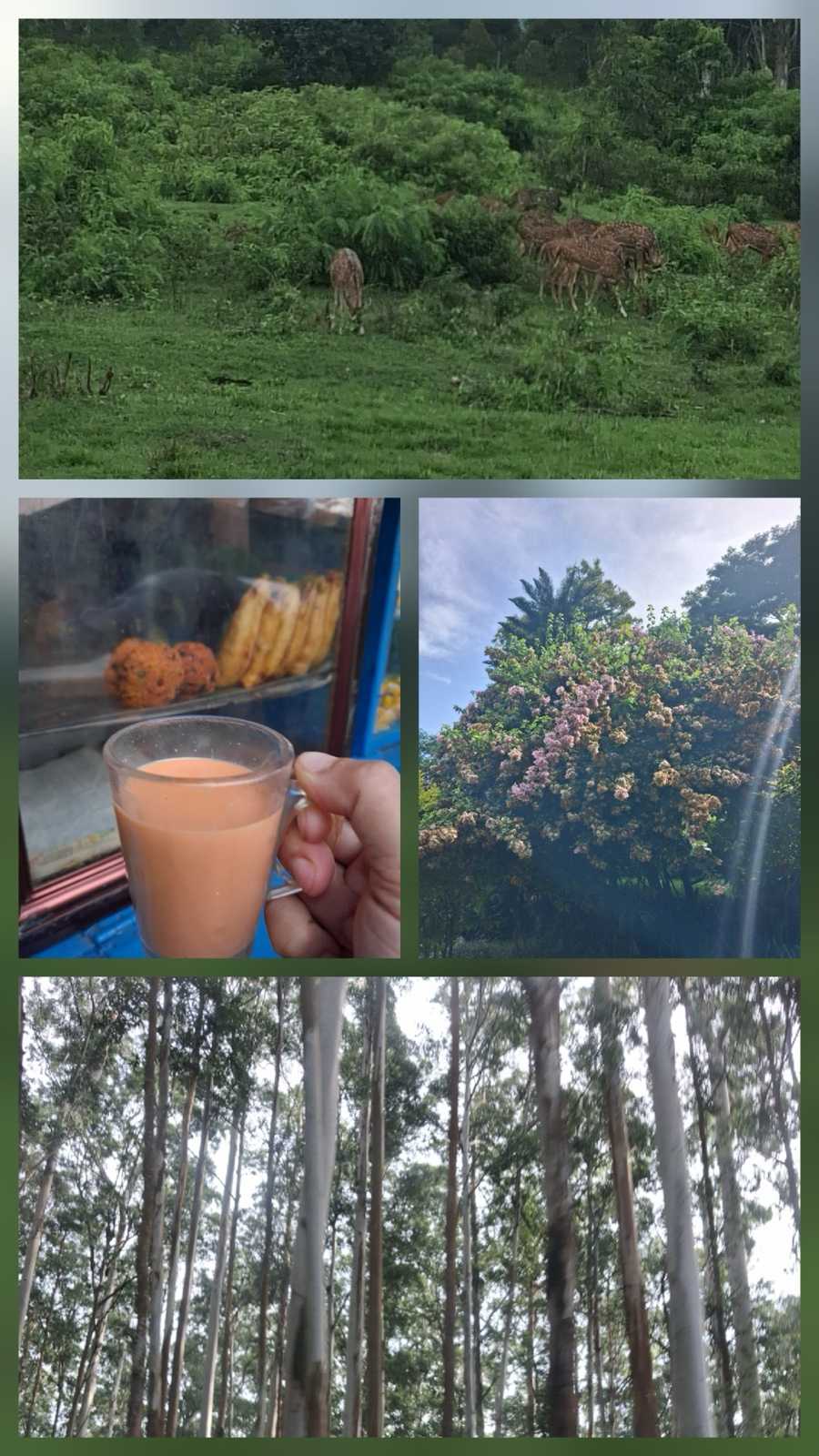
ASHWINI has been working in the Gudalur Valley for over three decades, serving more than 20,000 Adivasis living across 320 hamlets in Gudalur and Pandalur taluks of the Nilgiris. Over the years, it has built a community-owned healthcare system that reaches people where they live rather than expecting them to always come to a hospital.
At the centre of this ecosystem is the Gudalur Adivasi Hospital, but the hospital is only one piece of a much larger network. ASHWINI's work extends through eight Area Centres spread across remote regions, community health workers, village health guides, maternal and child health programmes, nutrition initiatives, chronic disease management, mental health services, alcohol de-addiction programmes, suicide prevention initiatives, and palliative care.
As the team walked us through their work, I realised that healthcare here doesn't begin when someone walks into a hospital.
It begins in the villages.
Every village has health workers who know the families personally. They know who is pregnant, which children are underweight, who has hypertension or diabetes, who has recently suffered a stroke, and who may need counselling. Many of these health workers belong to the very communities they serve. They speak the same language, understand the local culture, and have earned the community's trust over many years.
What impressed me the most was how holistic their approach is. They don't just treat illness. They work on nutrition, maternal and child health, mental health, adolescent health, substance abuse, livelihoods, and social issues that directly influence people's well-being.
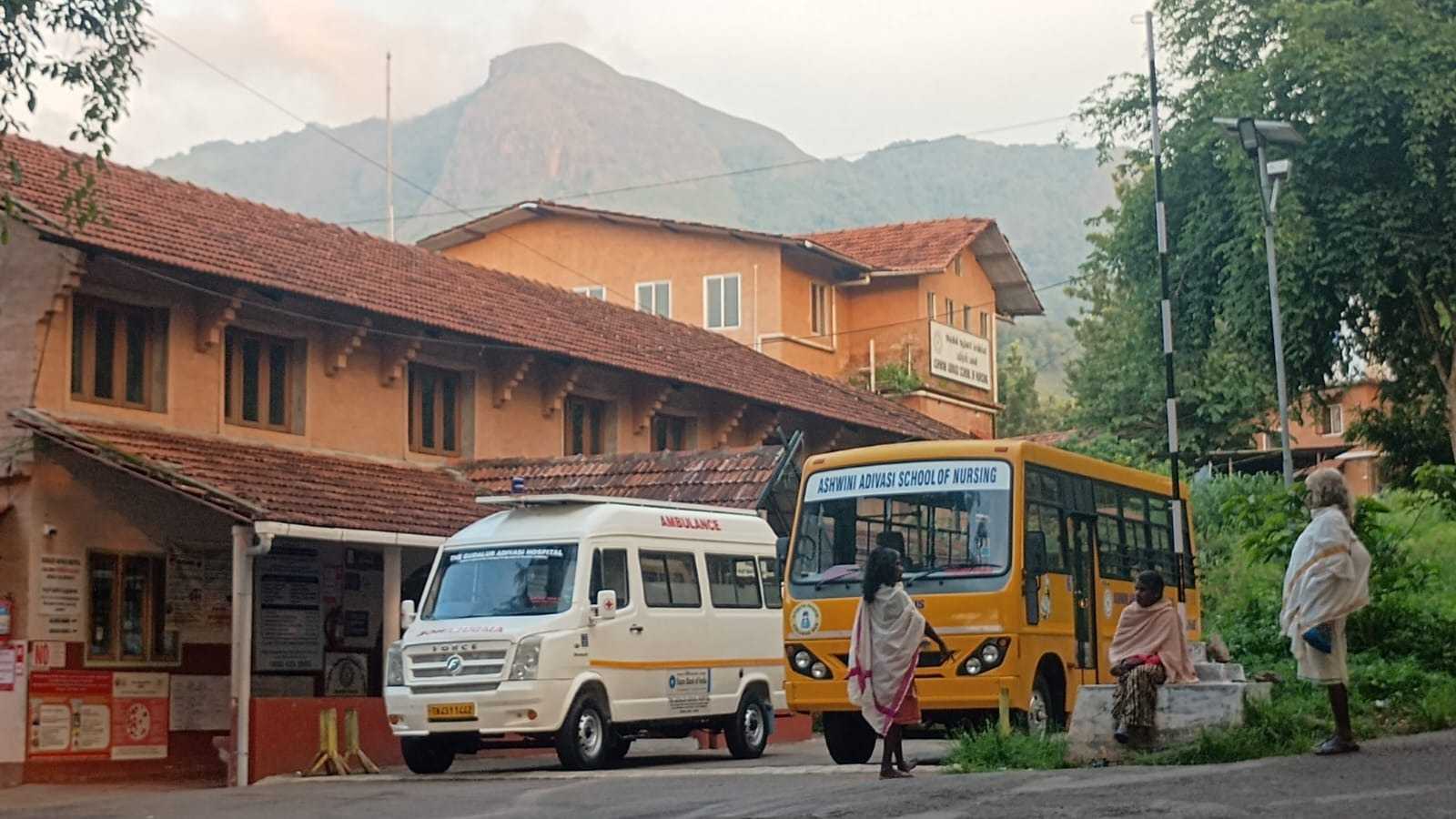
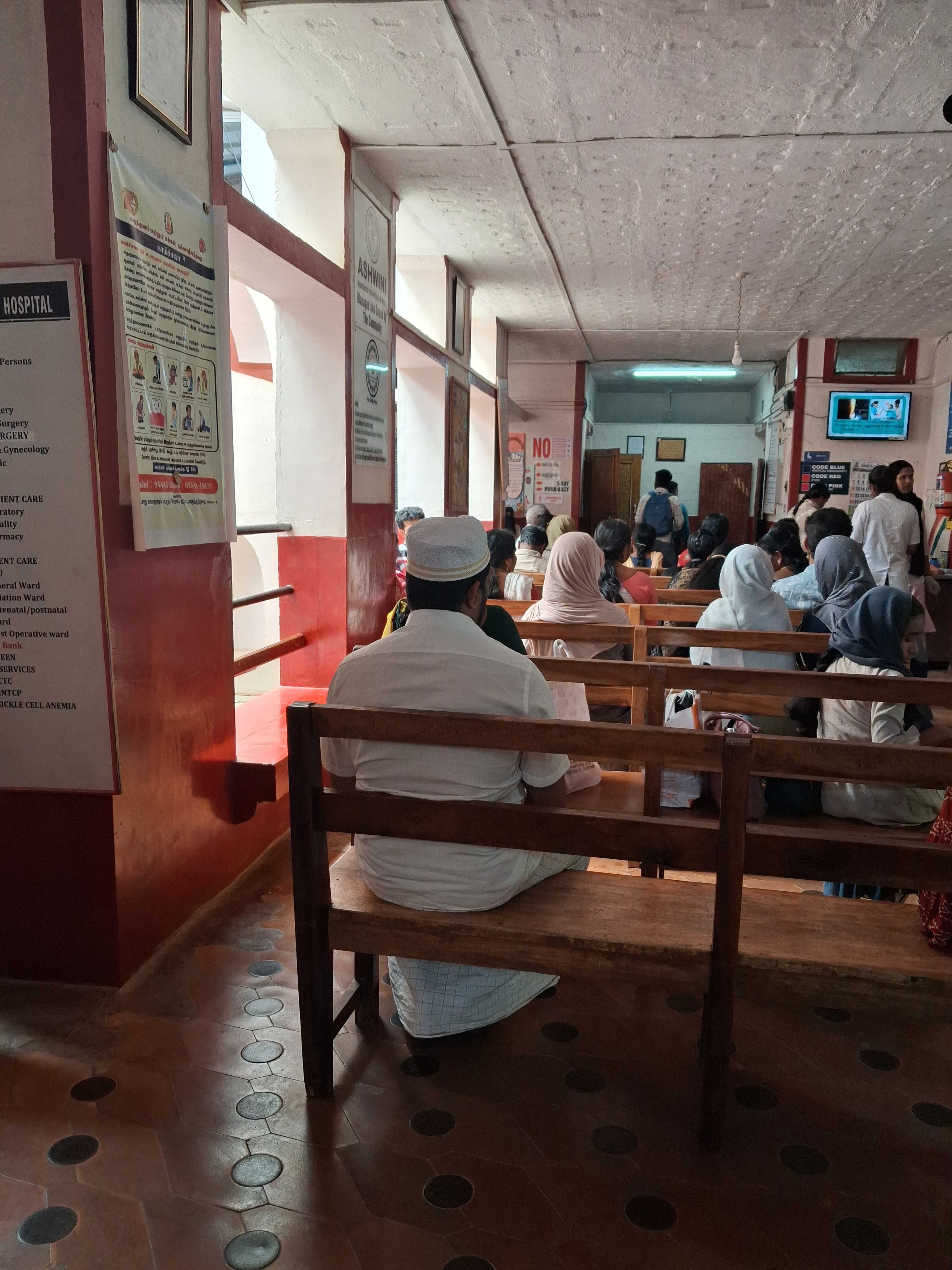
As we stepped into the Gudalur Adivasi Hospital, another thing immediately caught my attention — it didn't feel like a typical hospital.
There were no cold, sterile corridors or intimidating white walls. Instead, the hospital had a warm, earthy character with exposed brick walls, beautiful wooden ceilings, clean and airy rooms, and large windows that welcomed natural light. The architecture blended beautifully with the surrounding landscape. It felt less like an institution and more like a place where healing naturally belonged. It was welcoming, calming, and reflected ASHWINI's philosophy of care.
Day 2 – Following the Community Health Team
If the first day helped us understand ASHWINI's philosophy, the second day showed us what that philosophy looks like in practice.
Early in the morning, we joined one of the community health teams for their field visits. Driving through coffee estates, forest roads, and small tribal settlements, we reached one of the villages where the health workers had asked parents to gather with their young children.
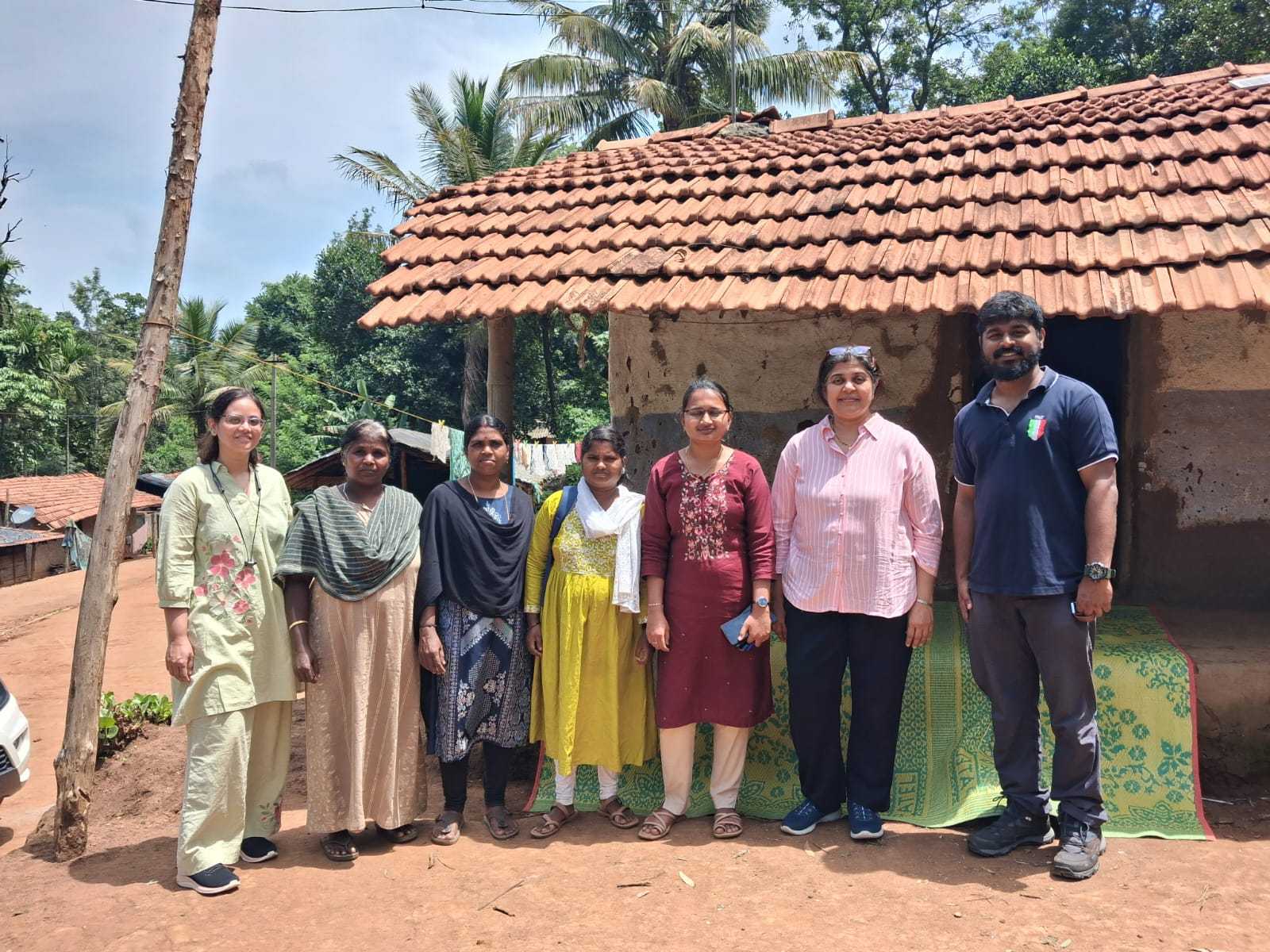
Monitoring Every Child
One by one, parents arrived carrying their children.
Some children happily walked in. Some were shy.
Some cried the moment they were placed on the weighing scale — just like children anywhere else.
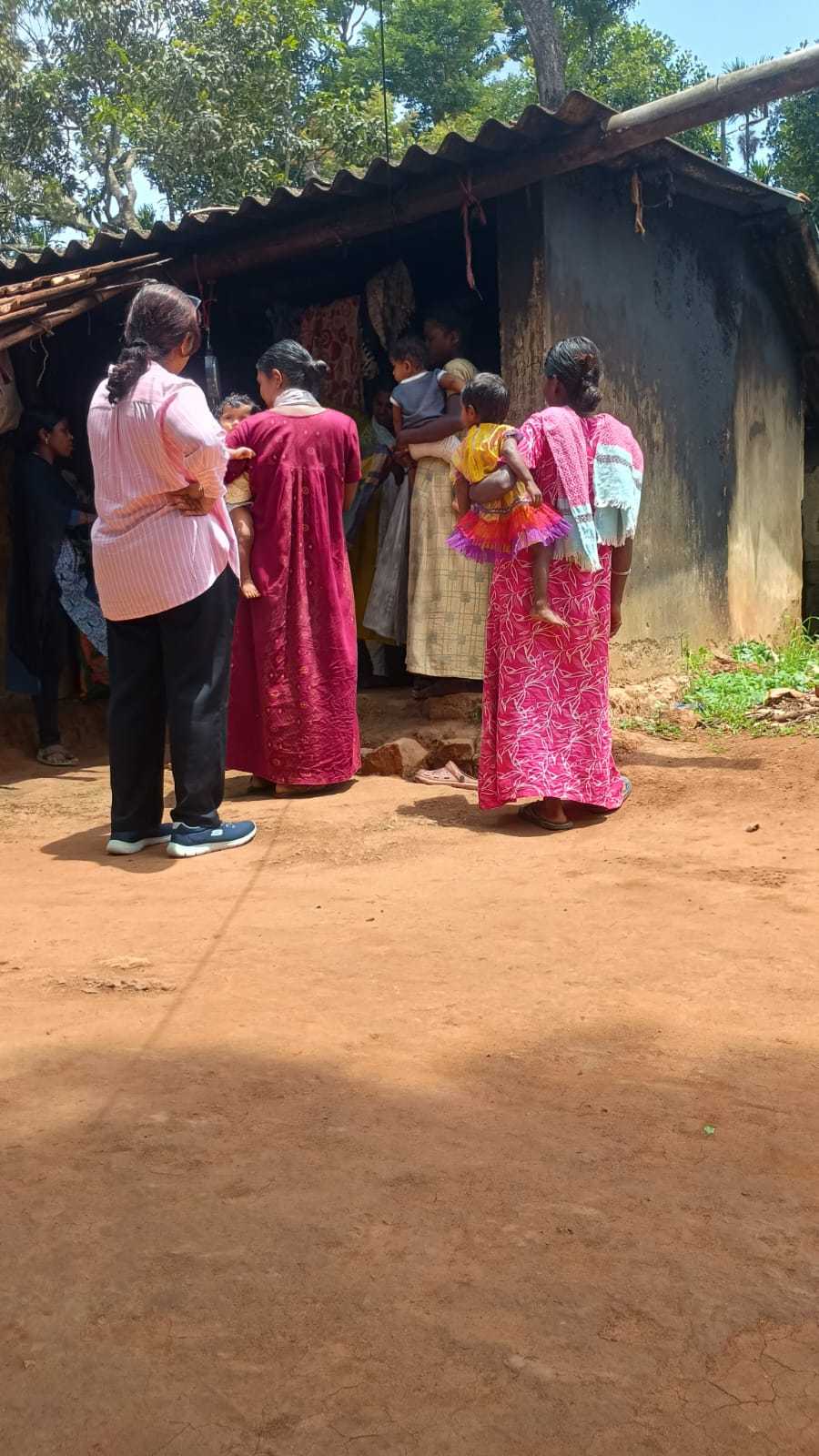
The team patiently measured every child's height and weight, assessed their nutritional status, and explained the results to the parents.
Every child already had a profile in Avni.
The health worker simply searched for the child's name, opened their history, entered the latest measurements, and instantly compared them with previous visits. Growth charts helped them identify whether the child was improving or slipping into malnutrition. Even in villages with no network connectivity, the data was captured offline and synced automatically once they returned to an area with internet access.
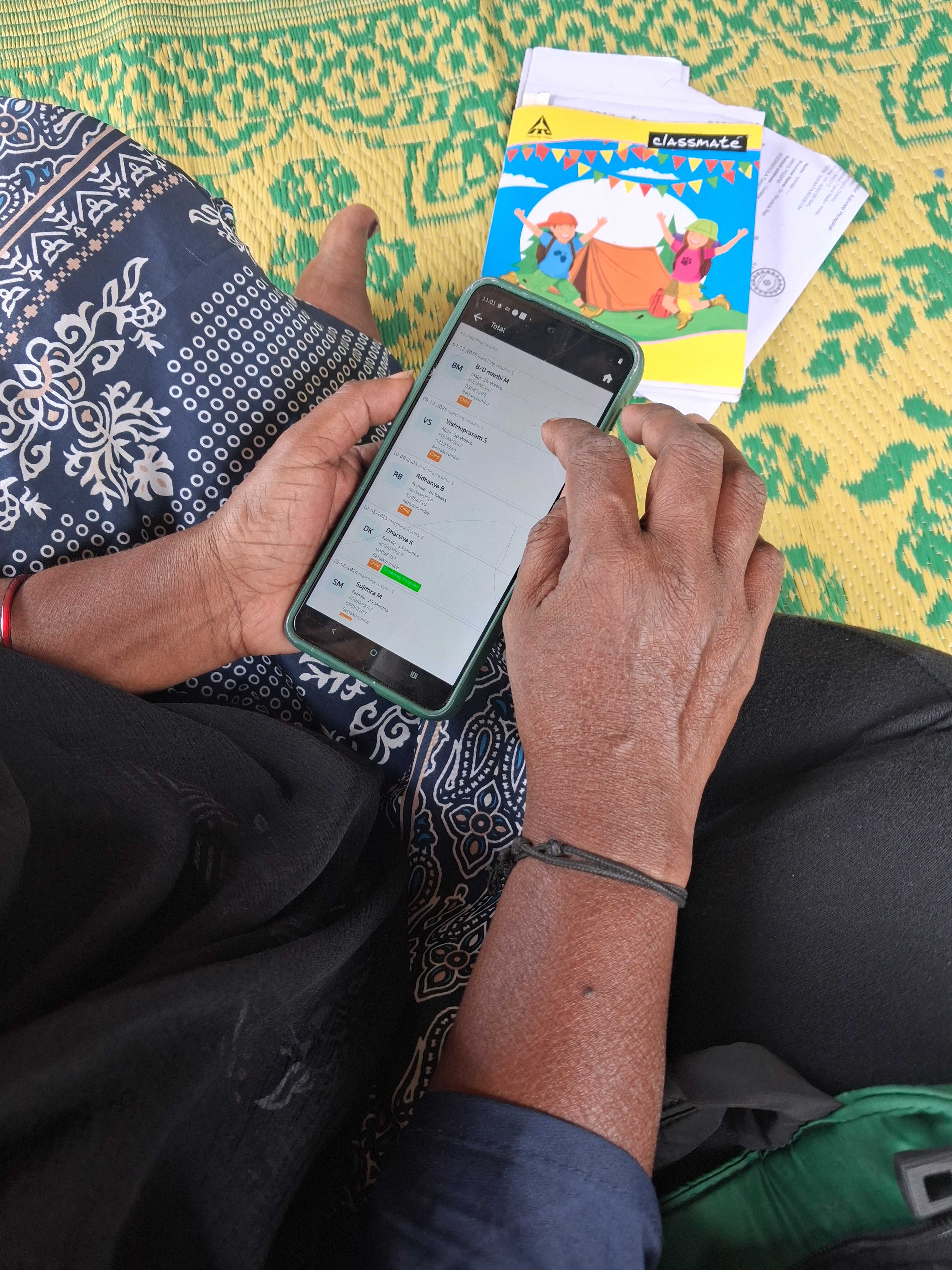
But what impressed me wasn't the technology. It was the conversation that followed.
The health workers didn't simply record numbers. They asked questions.
"Has the child been eating properly?"
"Is the child attending the Anganwadi?"
"Has the child been sick recently?"
"What food is available at home?"
Every answer helped them understand the bigger picture.
If a child was undernourished, the discussion immediately shifted towards practical solutions.
Families with young children receive roasted groundnuts. Pregnant and lactating mothers receive groundnuts and dates as nutritional supplements. Infants are provided with Sattu Maavu, a nutritious mix made from ragi and pulses.
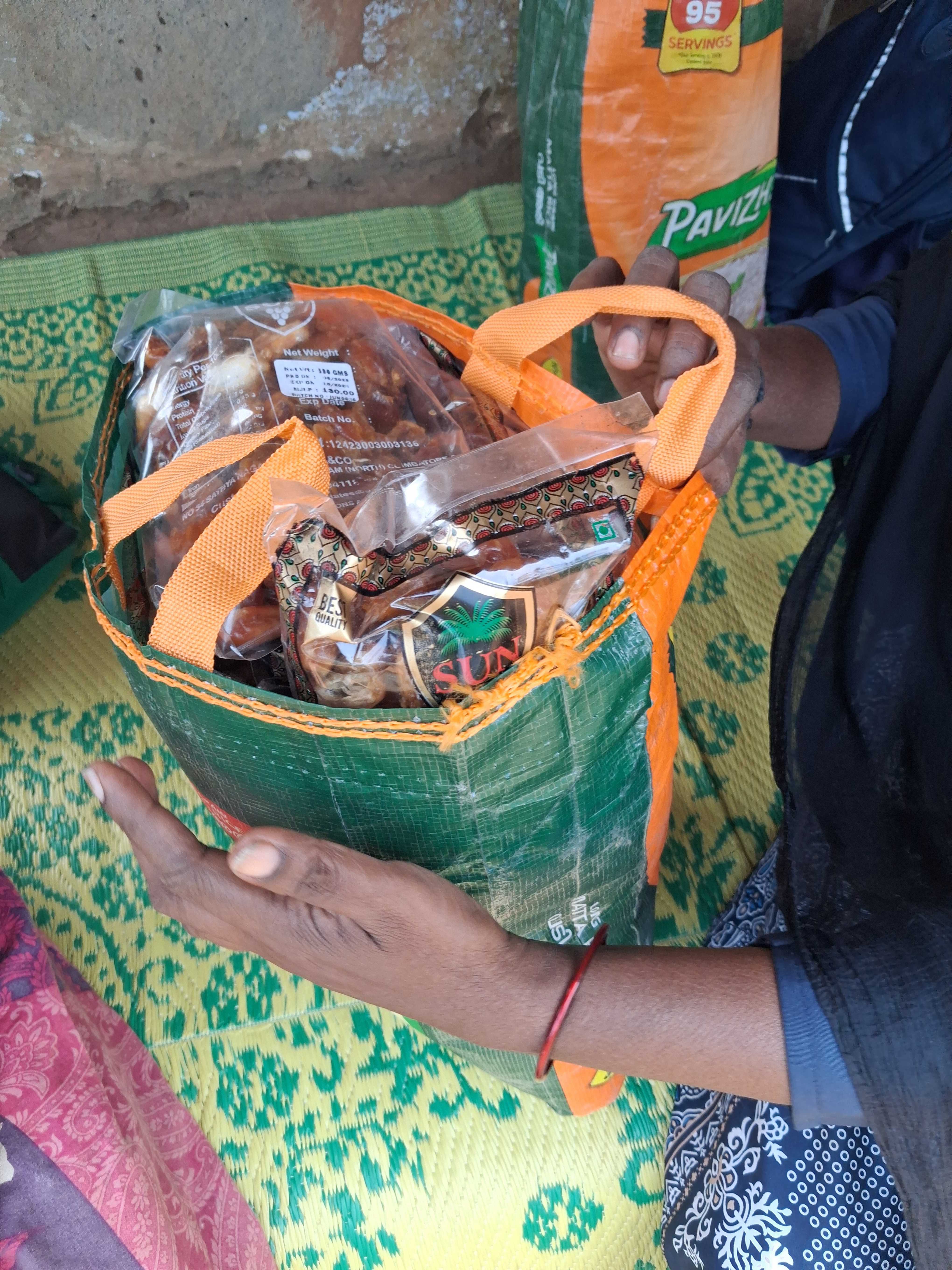
As we spoke to the team, we realised how complex the challenge really is. Many families own only small pieces of land. Wild elephants and boars frequently destroy their crops. Vegetables are not commonly part of their daily diet. Even fortified rice supplied through government schemes is sometimes discarded because families mistake the darker grains for poor-quality rice.
It reminded me that solving malnutrition isn't simply about providing food. It's about understanding behaviour, culture, beliefs, livelihoods, and economics.
Meeting an Elderly Stroke Patient
One visit left all of us silent.
We visited an elderly woman who had suffered a severe stroke and had been bedridden for years. She lived in a small house on a hillside, unable to move independently. There was no full-time caregiver. Someone would occasionally bring her food, but for most of the day she remained alone.
The ASHWINI team visits her regularly to monitor her health, check her blood pressure and diabetes, support the family, and ensure she receives whatever care is possible at home.
Standing there, I realised that healthcare doesn't always mean curing someone. Sometimes, it simply means making sure that a person is not forgotten.
Visiting an Anganwadi
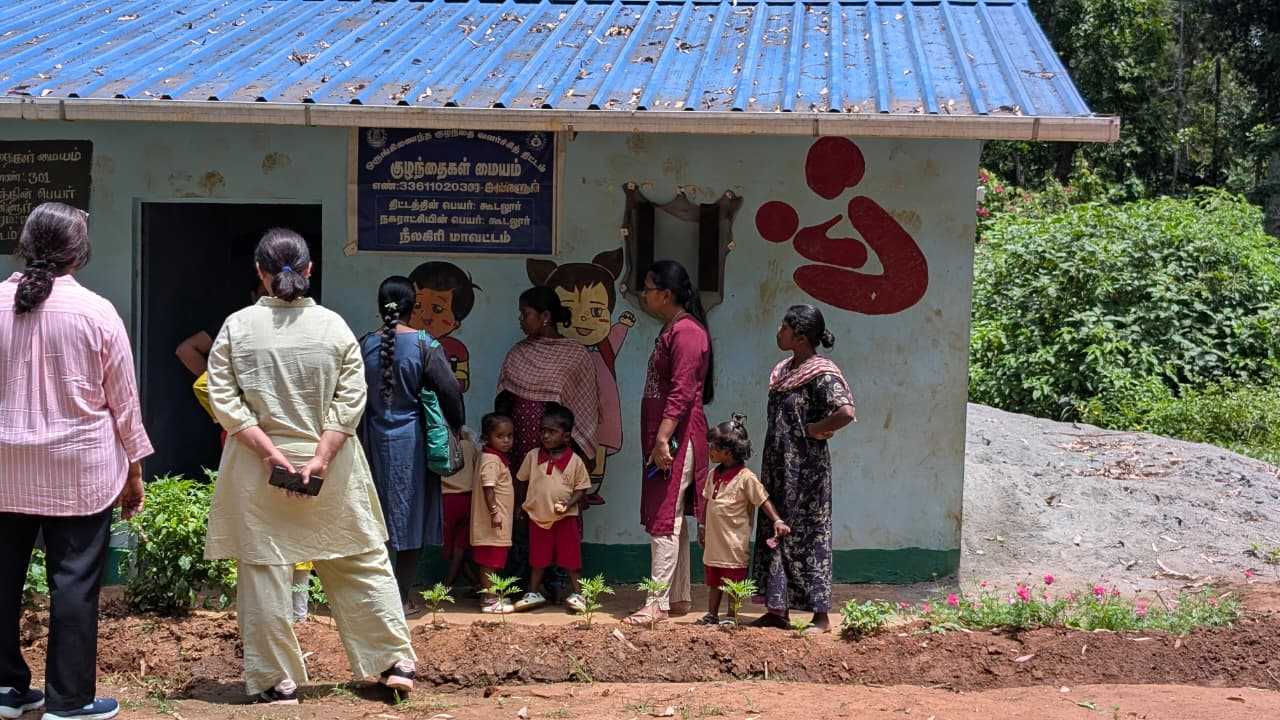
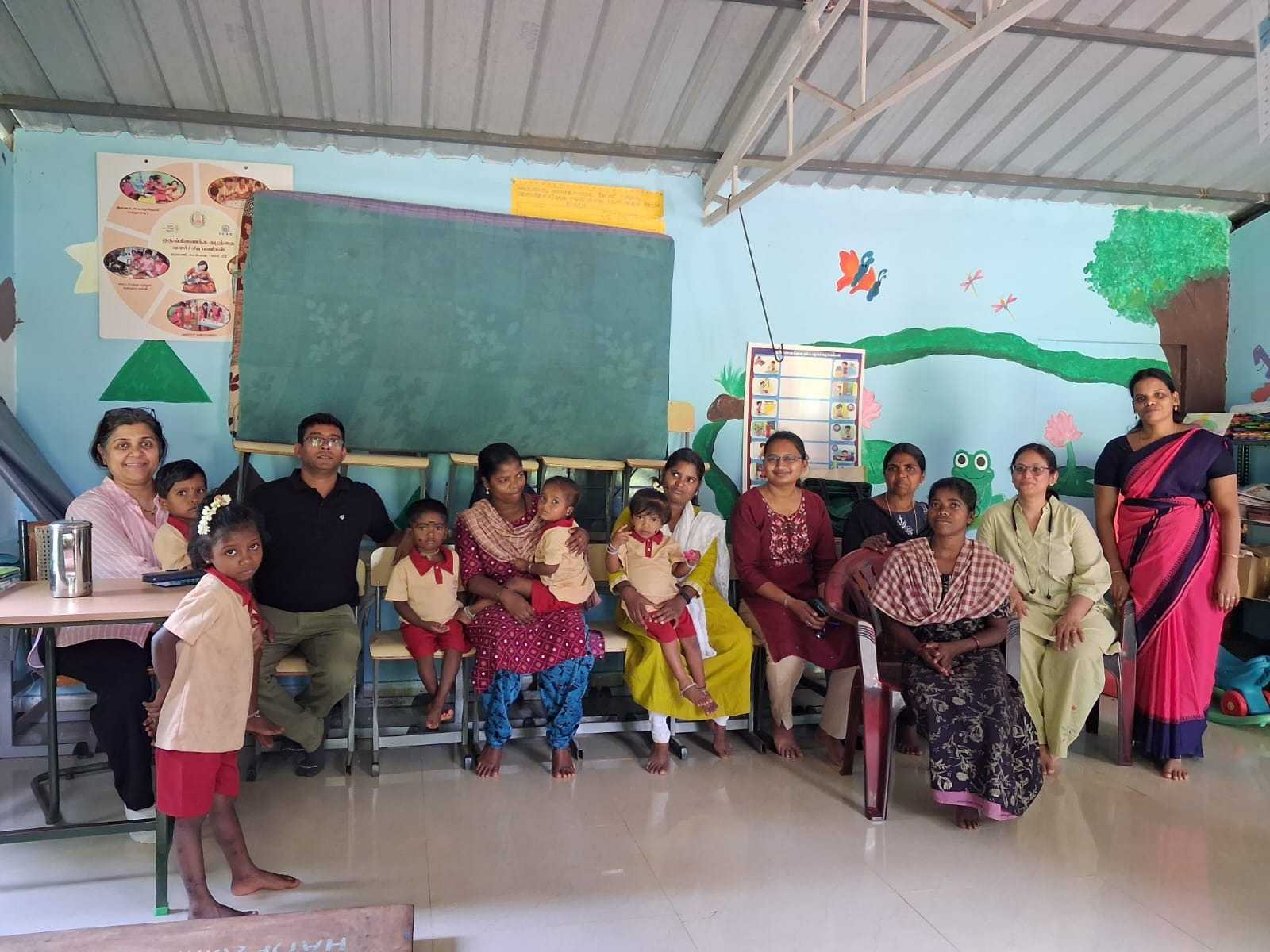
Later, we visited an Anganwadi where the team was following up with children who were severely underweight. The children were cheerful, playful, and full of energy. They sang songs, laughed, and happily interacted with the teachers.
The team explained how the Anganwadi plays an important role in improving children's nutrition by providing regular meals and monitoring their growth. For many children, this is the most nutritious meal they receive in a day.
What struck me was that ASHWINI's role doesn't end with identifying an undernourished child. They continuously work with parents, Anganwadi workers, and the community to ensure children actually attend the centre and receive the nutrition they need.
A Visit That Taught Me About Dignity
Towards the end of the day, we visited the home of a young pregnant woman. As we approached the house, one of the team members quietly suggested that only two of us should go inside.
"If everyone walks in together," they explained, "the family may feel uncomfortable."
It was such a small gesture. But it reflected something profound.
Healthcare isn't just about collecting information. It's about respecting people's dignity. The team knew exactly when to ask questions, when to step back, and when to give families their space.
That moment stayed with me. Sometimes compassion isn't about doing more. It's about knowing when to do less.
Seeing Avni in Action
As someone who works on Avni every day, this visit was incredibly special.
Most of my interaction with organisations happens over emails, implementation calls, feature discussions, and support requests. We build workflows, review forms, discuss enhancements, and resolve issues — often without seeing the people behind the data.
At ASHWINI, I finally got to see what happens beyond the screen.
I watched community health workers use Avni naturally during every home visit. Whether it was searching for a child's profile, recording height and weight, reviewing growth charts, tracking a pregnant mother's health, or identifying children who needed nutritional intervention, Avni had become an integral part of their daily work.
The technology quietly supported them, allowing them to spend less time on paperwork and more time engaging with families. The offline capability proved invaluable, enabling the team to continue recording information even in remote villages with little or no network connectivity.
It was equally fascinating to see how Bahmni is used within the Gudalur Adivasi Hospital. While Avni supports the community health workers in the field, Bahmni manages patient registrations, consultations, clinical records, and hospital case management.
One of the most valuable parts of the visit was hearing feedback directly from the people who use Avni every day. One suggestion was the need for a single-page beneficiary summary — health workers often want a quick snapshot of a person's complete history without navigating through multiple screens. Having important information such as previous visits, chronic conditions, nutrition status, pregnancy details, and recent observations available on a single page would help them make quicker and better-informed decisions during field visits.
What I Brought Back
Before this visit, I thought of healthcare mostly in terms of hospitals, doctors, medicines, and reports. ASHWINI showed me something very different.
Healthcare is a health worker patiently convincing a mother to send her child to the Anganwadi. Healthcare is checking on an elderly woman who has no one else to care for her. Healthcare is sitting on the floor of a small home, listening before offering advice. Healthcare respects privacy.
As I travelled back from Gudalur, I found myself thinking less about software and features, and more about the people who use them.
Before this visit, Avni was simply a product I worked on. After this visit, it became something whose impact I could actually see.
Those two days reminded me why we build what we build. And that is something I will carry with me for a very long time.